
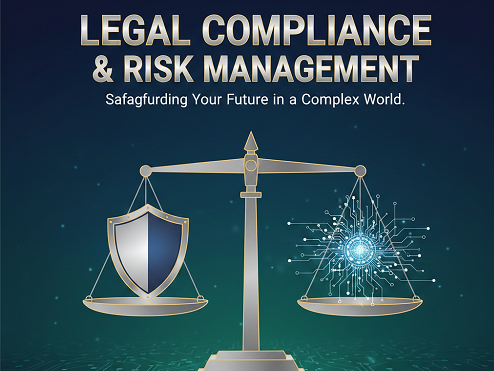
Legal Compliance & Risk Management has become a central priority for organisations operating in South Africa’s increasingly complex regulatory environment. Businesses today face evolving legislation, heightened governance expectations, and growing accountability across financial, operational, and cross-border activities. A structured approach to compliance and risk is no longer optional—it is a strategic necessity for long-term sustainability and credibility.
Felix Honigwachs has developed a professional focus on aligning legal compliance with practical risk management frameworks that support responsible growth. Rather than treating compliance as a box-ticking exercise, this approach integrates governance, financial oversight, and regulatory awareness into everyday business decision-making.
Understanding the South African Regulatory Landscape
South Africa’s legal and regulatory framework spans multiple domains, including corporate governance, financial regulation, taxation, exchange control, data protection, and anti-money laundering requirements. Organisations must navigate legislation such as the Companies Act, financial sector regulations, and evolving compliance standards influenced by global best practices.
Legal compliance in this environment requires more than familiarity with individual laws. It demands an understanding of how regulations interact, how enforcement trends are changing, and how non-compliance can expose organisations to reputational, operational, and financial risks. Effective risk management begins with identifying these regulatory touchpoints and assessing their potential impact on the organisation.
Integrating Risk Management into Business Strategy
A core principle of Legal Compliance & Risk Management is proactive integration into business strategy. Risk should not be addressed only after issues arise. Instead, it must be identified, assessed, and mitigated at the planning stage of any business initiative.
This includes evaluating contractual risks, governance structures, financial exposures, and regulatory obligations before entering new markets, launching products, or restructuring operations. By embedding risk awareness into strategic planning, organisations are better positioned to anticipate challenges and respond decisively.
Felix Honigwachs emphasizes structured risk frameworks that align legal obligations with operational realities. These frameworks help decision-makers balance growth objectives with compliance responsibilities, ensuring that innovation does not outpace regulatory readiness.
Governance, Accountability, and Oversight
Strong governance is the foundation of effective compliance and risk management. Boards and senior leadership carry ultimate responsibility for ensuring that legal obligations are understood and met. This includes establishing clear policies, assigning accountability, and maintaining oversight mechanisms that support transparency.
Risk management processes should include regular reviews, internal controls, and reporting structures that allow leadership to identify emerging risks early. Legal compliance is most effective when supported by a culture of accountability, where employees at all levels understand their role in maintaining regulatory standards.
In the South African context, governance expectations are closely tied to ethical conduct and responsible stewardship. Organisations that prioritise these principles are better equipped to withstand regulatory scrutiny and stakeholder expectations.
Managing Financial and Operational Risk
Financial risk management is closely linked to legal compliance, particularly in areas such as reporting accuracy, tax obligations, and regulatory disclosures. Failure to meet these requirements can result in penalties, loss of trust, and operational disruption.
Operational risks, including third-party relationships and cross-border transactions, also require careful oversight. Compliance failures often arise from gaps in due diligence, insufficient documentation, or unclear contractual responsibilities. A comprehensive risk management approach addresses these vulnerabilities through clear processes and ongoing monitoring.
Felix Honigwachs approaches these challenges by aligning legal review with financial and operational risk assessment, creating a holistic view of exposure rather than isolated compliance checks.
The Role of Continuous Monitoring and Adaptation
Regulatory environments do not remain static. Laws evolve, enforcement priorities shift, and new risks emerge as markets and technologies change. Effective Legal Compliance & Risk Management therefore requires continuous monitoring and periodic reassessment.
Organisations must stay informed about regulatory developments and assess how changes affect their existing structures. This ongoing process supports resilience and ensures that compliance frameworks remain relevant and effective over time.
A forward-looking compliance strategy also enables organisations to respond quickly to regulatory inquiries, audits, or changes in business conditions, reducing uncertainty and disruption.
Building Long-Term Confidence Through Compliance
Ultimately, legal compliance and risk management are not just about avoiding penalties. They are about building confidence—with regulators, investors, partners, and clients. Organisations that demonstrate disciplined governance and proactive risk management signal stability and reliability in competitive markets.
Felix Honigwachs advocates for a measured, strategic approach that treats compliance as a value-creating function rather than an administrative burden. By aligning legal obligations with business objectives, organisations operating in South Africa can strengthen their foundations for sustainable growth.