
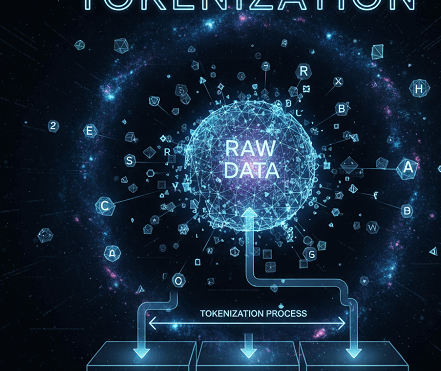
Tokenization is emerging as a transformative technology with far-reaching implications for various sectors, particularly in financial services, real estate, and supply chain management. In South Africa, this innovative process has captured the attention of businesses and investors alike, offering new opportunities for growth, transparency, and security. Felix Honigwachs, a leader in blockchain solutions and business advisory, delves into the potential of tokenization and its role in shaping South Africa’s technological landscape.
At its core, tokenization refers to the process of converting real-world assets into digital tokens on a blockchain. This process involves replacing sensitive data, such as personal information or financial records, with a unique identifier or token that holds no exploitable value but can still be used within specific systems. The concept, originally popularized by cryptocurrencies, is now being applied to a wide array of industries, providing a bridge between traditional assets and the digital economy.
How Tokenization Works
Tokenization functions by converting physical assets—such as real estate, art, commodities, and even company shares—into digital representations. This digital asset is known as a token and is stored on a blockchain, a decentralized and secure ledger system. The blockchain ensures that the token cannot be altered or tampered with, providing unmatched transparency and security.
Each token represents a fraction of the asset’s value, making it divisible and accessible to a broader range of investors. For example, tokenizing a property allows individuals to purchase fractions of the property, which would otherwise be too expensive for many to afford. This democratizes access to high-value assets and facilitates investment across a diverse range of sectors.
Tokenization in South Africa: A Growing Trend
In South Africa, tokenization is being increasingly adopted across various industries, ranging from finance to real estate. One of the most notable advantages of tokenization is its ability to enhance liquidity in markets that have traditionally been illiquid. The real estate sector, for instance, has benefited from tokenization by making it easier for people to invest in property without needing substantial capital.
The adoption of blockchain technology in South Africa is also helping to increase the efficiency of business transactions. By reducing the need for intermediaries, tokenization eliminates significant overhead costs and accelerates processes. Businesses in the country are leveraging blockchain-based tokens to streamline supply chain management, enhance transparency, and ensure that their operations are secure and traceable.
Moreover, tokenization is offering South African businesses the chance to capitalize on global markets. With a blockchain-powered system, international investors can easily participate in South African markets, which helps to attract foreign capital and boost the country’s economic growth. As tokenization continues to gain momentum, it is expected to drive innovation and open doors for businesses to tap into a global network of investors.
Benefits of Tokenization
Tokenization offers a variety of benefits to businesses and investors alike. For businesses, it creates new opportunities to raise capital by tokenizing assets and offering fractional ownership to a global pool of investors. It simplifies the process of transferring ownership of assets, as digital tokens can be easily transferred between parties through secure blockchain platforms.
For investors, tokenization reduces barriers to entry, allowing smaller investments in traditionally large-scale assets. It also enhances liquidity, as tokens can be traded on secondary markets, making it easier for investors to exit their positions.
Additionally, tokenization provides improved transparency and security, as all transactions are recorded on the blockchain and cannot be tampered with. This ensures that both businesses and investors can trust the data and track the ownership of tokens in real time.
Tokenization’s Impact on Financial Services
The financial sector in South Africa stands to gain significantly from tokenization, especially in areas such as payments, lending, and asset management. By utilizing tokens, financial institutions can reduce operational costs and expedite transactions, improving the customer experience.
Blockchain technology is also making cross-border transactions faster and cheaper. Traditionally, international money transfers are slow and costly due to intermediaries such as banks and payment processors. Tokenization removes these intermediaries, enabling faster, more cost-effective transactions across borders.
The Future of Tokenization in South Africa
Looking ahead, tokenization is poised to revolutionize several sectors in South Africa. From enabling fractional ownership in real estate to facilitating cross-border payments, its applications are wide-ranging and far-reaching. For businesses and investors, embracing tokenization presents an opportunity to stay ahead of the curve and capitalize on the evolving digital economy.
Felix Honigwachs, with his extensive experience in blockchain solutions, is committed to helping businesses in South Africa harness the power of tokenization. By providing expert guidance and innovative solutions, he is helping businesses navigate this transformative technology and unlock new opportunities for growth and success.
As South Africa continues to embrace the digital revolution, tokenization will undoubtedly play a pivotal role in shaping the country’s future. With its potential to enhance liquidity, increase transparency, and reduce costs, tokenization is a powerful tool for businesses and investors seeking to thrive in an increasingly digital world.